
What Is TikTok Shop? A Seller's Getting-Started Guide
 Brian @brian
·
·
14 min read
5 views
Brian @brian
·
·
14 min read
5 views
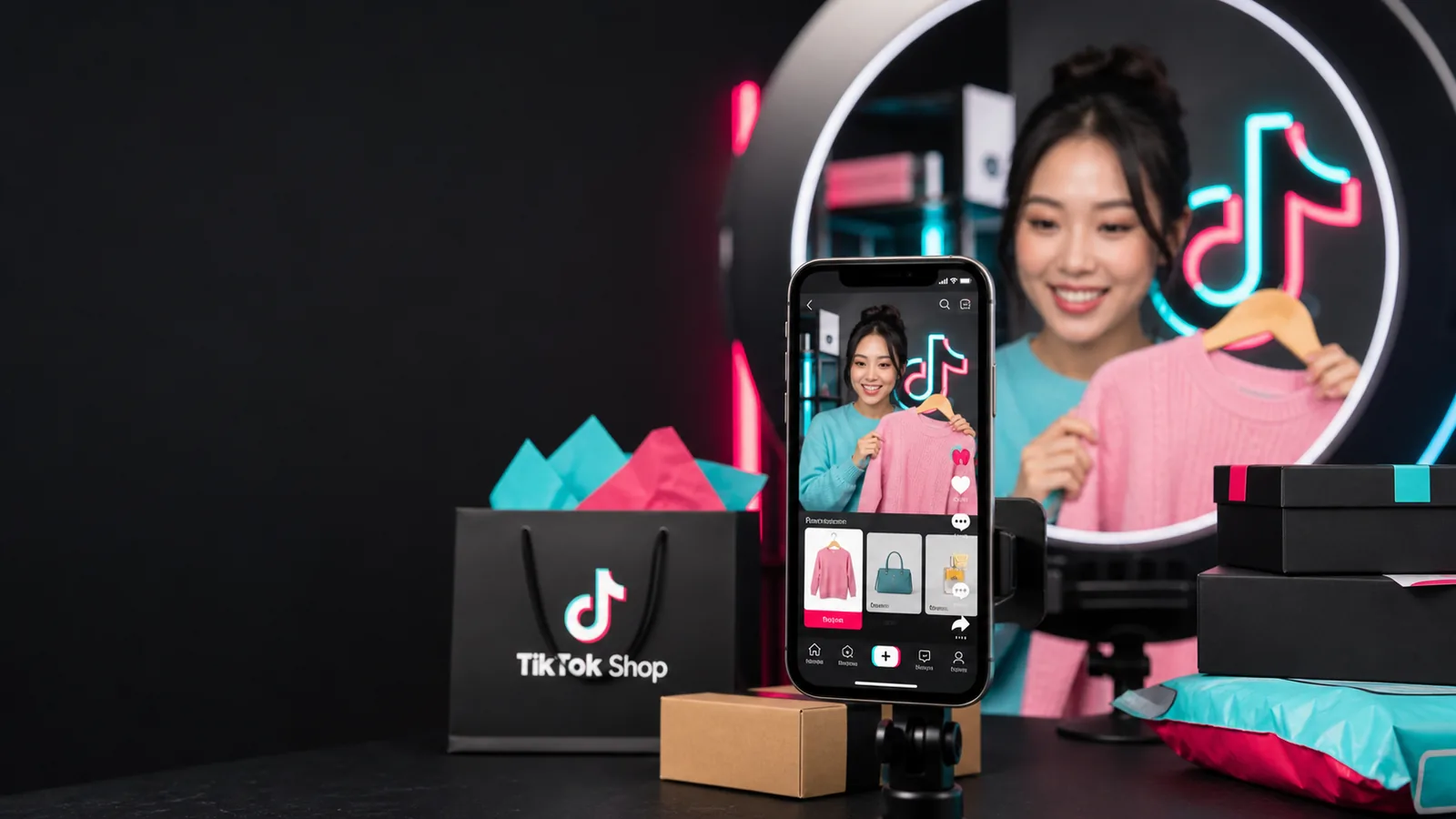
What is TikTok Shop? It is TikTok's on-platform ecommerce marketplace, designed to connect product discovery, creator content, shopping, checkout, and seller operations. Products can appear in shoppable short videos, livestreams, creator or seller showcases, search, and the Shop tab. For an ecommerce operator, the important point is simple: TikTok Shop is not only a marketing channel. It is another sales channel with its own catalog, orders, fulfillment rules, fees, returns, and payout timing.
That distinction matters now. In the Google Trends export supplied for this plan, worldwide interest in TikTok Shop reached its highest relative point in the five-year data set, while top related searches were dominated by seller and operator terms. The opportunity is not just attention; it is practical demand from people trying to start and run shops.
How TikTok Shop works for sellers
A seller creates a shop, lists eligible products, connects content or creators to those products, fulfills orders, and receives settlements after applicable conditions are met. TikTok's official Business FAQs describe Seller Center as the place merchants use to manage products, orders, logistics, payments, promotions, and core analytics.
Discovery happens inside content
Unlike a traditional storefront that depends heavily on customers arriving with a purchase in mind, TikTok Shop can place products next to content people are already watching. A product may be discovered through a creator video, livestream, showcase, search result, or marketplace recommendation. That makes creative testing and product-page quality part of the merchandising system.
Checkout and operations stay connected
Customers can move from product discovery to purchase without leaving the TikTok environment. Behind that experience, sellers still need disciplined operations: accurate listings, inventory availability, shipping, customer service, returns, compliance, and reconciliation.
What you need before you start selling
- An eligible business and product catalog. Review current market, category, and product restrictions before investing in listings.
- Reliable product information. Prepare accurate titles, descriptions, images, attributes, package weights, dimensions, and identifiers when required.
- A fulfillment plan. Decide how inventory will be stored, packed, shipped, tracked, and returned.
- A margin model. Know product cost, platform fees, affiliate commission, shipping, discounts, refunds, and other operating costs before setting prices.
- A content plan. Determine which products lend themselves to demos, comparisons, tutorials, livestreams, or creator partnerships.
TikTok's current product-listing guidance emphasizes accurate, honest, clear information and high-resolution images. Policies and eligibility can change, so use Seller Center and TikTok Shop Academy as the source of truth for your account.
A practical first-week launch plan
- Choose a focused starter catalog. Begin with products that have clear demonstrations, dependable inventory, and enough margin to absorb variable costs.
- Build complete product pages. Use accurate attributes, useful images, clear benefits, shipping details, and compliant claims.
- Set up order ownership. Assign responsibility for stock checks, packing, carrier handoff, customer messages, cancellations, returns, and daily reconciliation.
- Create repeatable content angles. Test problem-solution demos, before-and-after use cases, FAQs, comparisons, and creator briefs rather than relying on one viral concept.
- Track profit, not only sales. Record every cost attached to an order so growth does not hide margin erosion.
What to track after launch
Seller Center is the operating system for the channel, but a multi-channel business usually needs a wider view. Track order volume, gross merchandise value, cancellations, returns, fulfillment speed, creator commission, platform fees, shipping, product cost, contribution margin, and settlement status. If you also sell through Shopify or another channel, compare the same definitions across every store.
A useful daily question is: How much did we actually keep after the costs required to produce and fulfill these orders? That is more actionable than a revenue screenshot.
Is TikTok Shop right for your business?
TikTok Shop may be a strong fit when your products are easy to demonstrate, your team can create or commission frequent content, inventory is reliable, and unit economics leave room for fees and creator payouts. It may be a poor fit when margins are already thin, fulfillment is inconsistent, products carry compliance risk, or the catalog cannot support visual storytelling.
The best approach is a controlled test: start with a small catalog, define operating rules, measure true profit, and expand only after the numbers and customer experience hold up.
Next step: build one calm operating view
Understanding what TikTok Shop is gets you started. Running it well requires a clear view of orders, fees, fulfillment, and margin. Explore the Nugglets TikTok Shop hub, see the workflow in the interactive demo, or create a Nugglets account to build a calmer ecommerce command center.
What is TikTok Shop compared with a traditional online store?
A traditional ecommerce store usually begins with intent: a shopper searches for a product, clicks an advertisement, follows an email, or types a familiar brand URL. TikTok Shop can begin with entertainment or education. A viewer may discover an unfamiliar product while watching a demonstration, comparison, tutorial, livestream, or creator recommendation. The product and checkout path are attached to that experience.
This does not remove the fundamentals of ecommerce. Sellers still need accurate listings, dependable inventory, competitive pricing, responsive customer support, compliant claims, and reliable delivery. TikTok Shop changes where discovery happens and how quickly content can create demand. It does not make weak unit economics or poor operations disappear.
For established merchants, the platform is best treated as a separate channel with shared business foundations. Product cost, stock, fulfillment capacity, brand standards, and financial controls should connect to the rest of the company. Content production, creator partnerships, marketplace policies, and channel reporting need dedicated ownership.
What is TikTok Shop content commerce?
Content commerce means that product education and purchasing are designed to work together. A useful video can show scale, texture, fit, setup, results, common mistakes, or a product in context. A livestream can answer questions and demonstrate variations in real time. A creator can introduce a product to an audience that trusts their category expertise.
The strongest content is not simply a conventional advertisement resized for a phone. It gives the viewer a reason to keep watching. Sellers can build repeatable formats around demonstrations, problem solving, comparisons, customer questions, behind-the-scenes processes, product care, and creator use cases. Each format should make the product easier to understand without exaggerating what it can do.
Content performance and product economics should be reviewed together. A video can produce many orders and still be a poor business result if it requires an unsustainable discount, generates high returns, or depends on a commission rate that removes most of the margin. The correct question is not only which content sold the most. It is which content created satisfied customers and profitable delivered orders.
How sellers can choose their first TikTok Shop products
A focused starter catalog is easier to operate and learn from than a large catalog uploaded without a plan. Favor products with a clear visual story, stable supply, accurate dimensions, manageable shipping requirements, and enough contribution margin to support experimentation.
- Demonstration value: Can someone understand the product's benefit or use within a short piece of content?
- Operational reliability: Is stock dependable, and can the team pick and ship the correct variation consistently?
- Healthy economics: Is there room for platform fees, creator commission, packaging, shipping, returns, and discounts?
- Low ambiguity: Can the listing clearly communicate size, materials, compatibility, care, limitations, and what is included?
- Policy fit: Is the category eligible, and can every product and marketing claim comply with current rules?
Start with a small number of products, define the baseline margin, and test several content angles. Expand when the team understands conversion, fulfillment, customer questions, returns, and profit. A large top line is less valuable than a repeatable operating model.
How to set up TikTok Shop roles and responsibilities
Even a one-person store benefits from separating the jobs mentally. In a team, assign a clear owner to each function. The catalog owner maintains product information and stock. The content owner manages the creative calendar and briefs. The fulfillment owner handles order queues, packaging, and carrier handoff. The customer-service owner responds to questions and return issues. The finance owner reconciles settlements, fees, costs, and margin.
Create a short daily checklist and an escalation rule. Who responds when an item is oversold? Who pauses a listing when product quality is questioned? Who investigates a delayed carrier scan? Who approves a discount or creator commission change? Clear ownership prevents urgent work from sitting between departments.
Document recurring processes with screenshots and dates because platform interfaces and policies evolve. A lightweight operating manual should link back to the current Seller Center and TikTok Shop Academy guidance rather than copying policy language that may later become outdated.
TikTok Shop metrics for the first 30 days
During the first month, prioritize learning quality over vanity totals. Track product views, product-page visits, conversion rate, orders, cancellations, dispatch speed, delivery, returns, refunds, customer questions, creator-attributed orders, net sales, settlement variance, contribution profit, and contribution margin.
Segment the data by product, content format, creator, and promotion when possible. Averages can hide the decision you need to make. One product may generate most returns while another creates most profit. One creator may drive higher-quality customers even with fewer orders. One discount may increase conversion but reduce contribution profit.
Write down the assumptions behind the report. Define what counts as revenue, when a refund is recognized, how product cost is assigned, and which shipping or packaging costs are included. Consistent definitions make the second month comparable with the first.
Common TikTok Shop mistakes new sellers can avoid
Launching too many products
A large catalog increases listing work, stock risk, customer questions, and fulfillment complexity before the team has learned the channel. Begin with a controlled group and earn the right to expand.
Pricing from competitors instead of costs
A competitor's price does not reveal their product cost, fee program, shipping arrangement, creator rate, or return rate. Build prices from your own economics, then test whether the market accepts them.
Treating every creator order as equally valuable
Creator sales should be evaluated after commission, refunds, discounts, and product cost. Reward durable contribution profit and a good customer experience, not revenue alone.
Ignoring the post-purchase experience
Discovery may be fast, but customer trust depends on accurate products, clear communication, careful packing, and dependable delivery. Operational quality supports ratings, repeat purchase, and the long-term health of the shop.
Using disconnected spreadsheets without controls
Spreadsheets are useful for an early model, but manual copying can create stale inventory, duplicate orders, missing refunds, and unexplained settlement differences. Add validation, ownership, and reconciliation from the beginning.
A 30-day TikTok Shop launch roadmap
Week one: confirm eligibility, policies, product economics, fulfillment roles, and the starter catalog. Complete listings and establish baseline costs before publishing content.
Week two: publish several distinct content formats, answer customer questions, and monitor order queues closely. Record which questions reveal gaps in the product page.
Week three: compare content, creators, products, returns, and margin. Improve listings and creative briefs using actual customer behavior rather than assumptions.
Week four: perform a full settlement and profit reconciliation. Keep the products and content patterns that produce healthy delivered orders. Pause, reprice, or revise anything that produces avoidable service problems or weak margin.
What is TikTok Shop success for an operator?
Success is a channel that can acquire customers, fulfill promises, and produce measurable contribution profit without creating uncontrolled work. That requires content and commerce teams to use the same facts. The creative calendar should understand stock and margin. The fulfillment team should understand promotions. Finance should be able to trace a deposit back to orders and adjustments.
When those pieces are connected, TikTok Shop becomes more than a burst of attention. It becomes a manageable part of a multichannel ecommerce business. That is the operating view Nugglets is working toward: one place to understand what sold, what it cost, what needs attention, and what the business actually kept.
Keep the TikTok Shop operating plan current
Review the launch plan after every major promotion, catalog expansion, or fulfillment change. New volume can expose weak inventory controls, unclear responsibilities, and cost assumptions that looked harmless at a smaller scale. Keep the checklist current, preserve a clean audit trail, and let delivered-order quality and contribution profit guide the next investment. A monthly review should connect customer feedback, content performance, inventory, fulfillment, settlements, and margin so growth decisions use the full business result.
Run your whole store from one dashboard
Track orders, suppliers, inventory and real profit with Nugglets.
See NuggletsKeep reading
How to Calculate Real TikTok Shop Profit After Fees
How to Track TikTok Shop Orders and Revenue


Comments 0